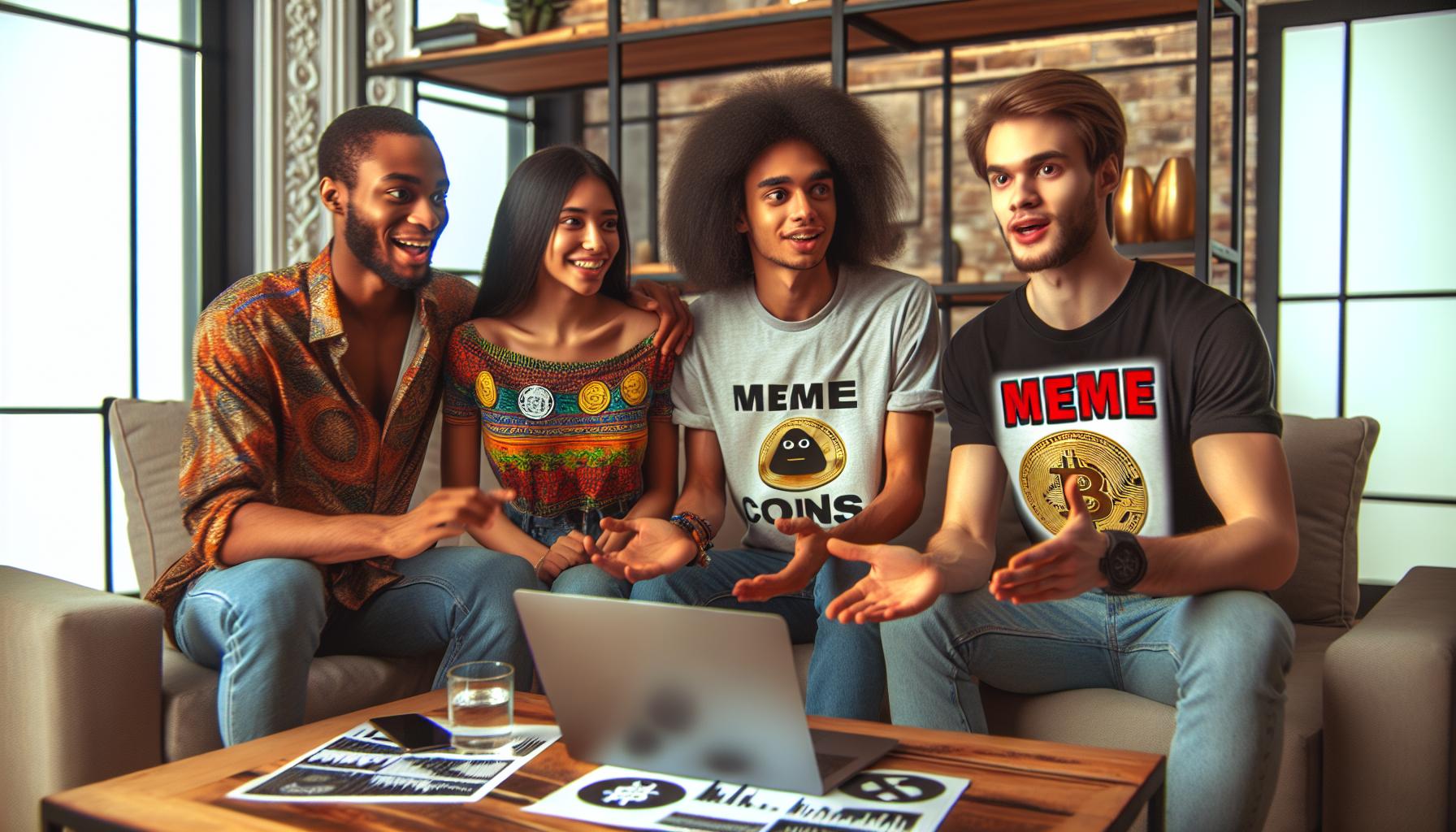

Meme coins have taken the crypto world by storm offering both entertainment value and potential investment opportunities. While some dismiss them as mere jokes these digital assets have proven their ability to generate significant returns for early investors who choose the right platforms and timing.
Before diving into meme coin investments you’ll need to know where to buy them safely and how to store them securely. With countless exchanges and wallets available choosing the right combination can feel overwhelming. Whether you’re interested in popular options like Dogecoin and Shiba Inu or seeking the next viral sensation it’s crucial to understand the best practices for purchasing and storing these unique digital assets.
Key Takeaways
- Meme coins are digital assets driven by social media trends and community engagement, with popular examples including Dogecoin, Shiba Inu, and Pepe Coin
- Leading exchanges for buying meme coins include Binance (350+ coins), Crypto.com (250+ coins), and KuCoin (400+ coins), each offering different features and fee structures
- Hardware wallets like Ledger Nano X and Trezor provide the highest security for storing meme coins, while software wallets like MetaMask and Trust Wallet offer convenient access
- Essential security practices include using multi-factor authentication, verifying smart contract addresses, securing recovery phrases offline, and maintaining separate trading wallets
- Major risk factors to consider include extreme price volatility, potential for market manipulation, limited fundamental value, and regulatory uncertainty
Understanding Meme Coins and Their Appeal
Meme coins combine internet culture with cryptocurrency technology to create digital assets inspired by popular online jokes. Unlike traditional cryptocurrencies, meme coins often gain value through social media trends rather than technical utility.
Origin and Evolution
Popular meme coins emerged from online communities:
- Dogecoin launched in 2013 as a parody of Bitcoin
- Shiba Inu gained prominence in 2020 as the “Dogecoin killer”
- Pepe Coin captured market attention in 2023 through viral marketing
Market Characteristics
Meme coins exhibit distinct trading patterns:
- High volatility creates rapid price movements
- Strong community engagement drives market momentum
- Lower entry barriers compared to established cryptocurrencies
- 24/7 trading accessibility across global markets
Investment Potential
Key factors influence meme coin value:
- Social media trends impact price movements
- Celebrity endorsements create market surges
- Community size affects trading volume
- Early adoption offers higher return potential
Network Diversity
Meme coins operate on various blockchain platforms:
- Ethereum hosts multiple meme token projects
- Solana provides fast transaction speeds
- BNB Chain offers lower gas fees
- Polygon enables scalable transactions
Risk Considerations
Notable risk factors include:
- Market manipulation through pump-and-dump schemes
- Limited fundamental value beyond community interest
- Regulatory uncertainty in different jurisdictions
- High potential for project abandonment
- Large supply quantities affect token pricing
- Significant price swings in short periods
- Community-driven marketing initiatives
- Decentralized exchange listings dominate trading
Top Cryptocurrency Exchanges for Meme Coins
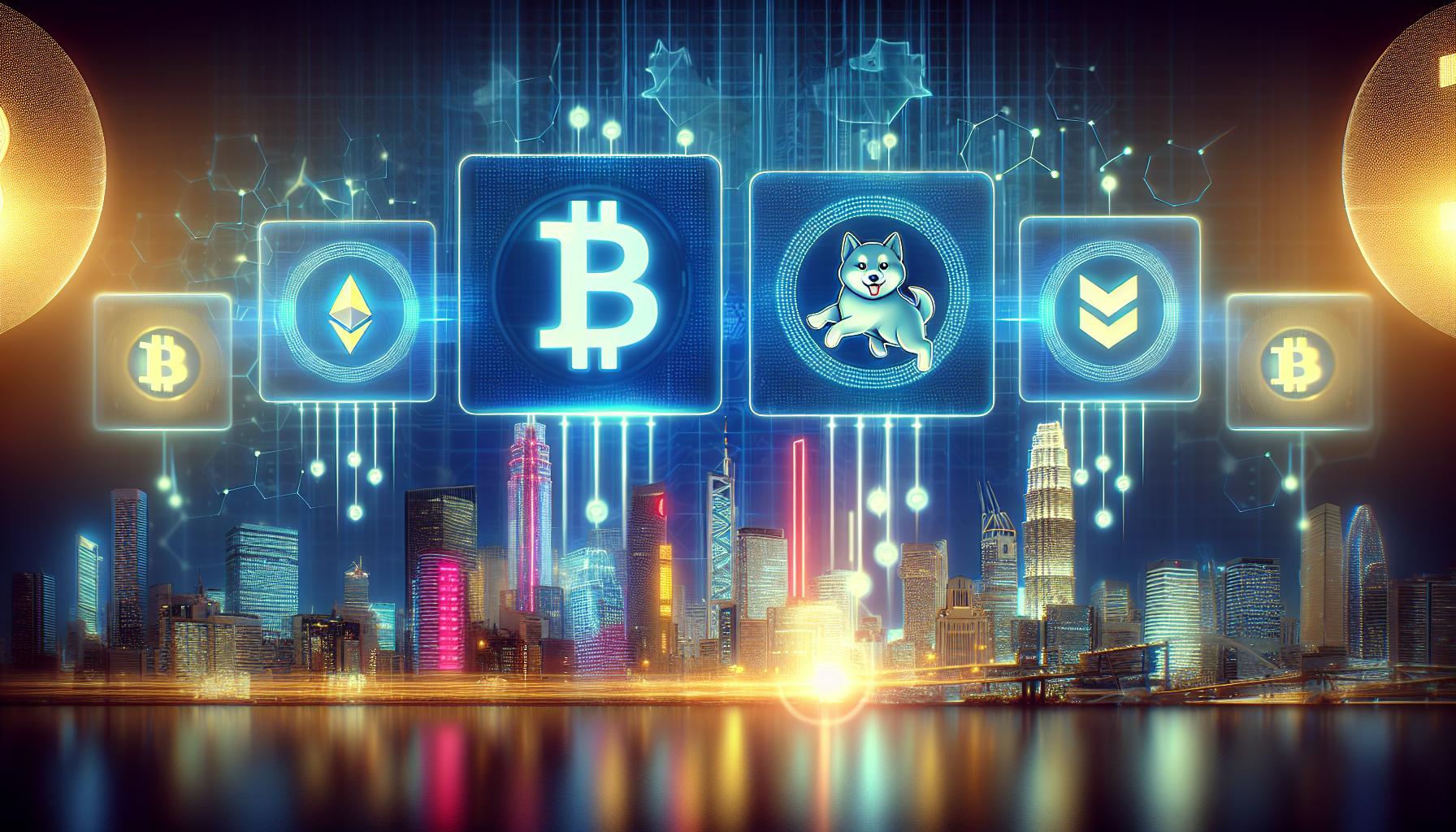
Leading cryptocurrency exchanges provide secure platforms to purchase popular meme coins like Dogecoin, Shiba Inu, and emerging tokens. These platforms offer varying features, security measures, and token selections to match your trading preferences.
Binance: The Leading Global Exchange
Binance stands as the largest cryptocurrency exchange by trading volume, offering 350+ meme coins across multiple networks. The platform supports direct purchases with 50+ fiat currencies through credit cards, bank transfers, and P2P trading. Key features include:
- Advanced trading tools with detailed market analytics
- Multi-layer security with SAFU fund protection
- Low trading fees starting at 0.1%
- Support for Ethereum, BNB Chain, Solana, and Polygon meme tokens
- Integrated wallet for instant token storage
Crypto.com: User-Friendly Platform
Crypto.com combines accessibility with comprehensive meme coin offerings across major blockchain networks. The exchange features:
- Simple buy/sell interface for beginners
- 250+ meme coins available for trading
- Built-in DeFi wallet connection
- Competitive spread fees from 0.4%
- Regular listings of new meme tokens
- Support for credit card purchases in 20+ fiat currencies
- 400+ meme coins including early-stage projects
- Trading pairs in USDT, BTC, and ETH markets
- No KYC required for small transactions
- Futures trading for popular meme tokens
- Integration with multiple blockchain networks
- Regular launches of new token offerings
| Exchange | Meme Coins Listed | Min. Trading Fee | Fiat Support |
|---|---|---|---|
| Binance | 350+ | 0.1% | Yes (50+ currencies) |
| Crypto.com | 250+ | 0.4% | Yes (20+ currencies) |
| KuCoin | 400+ | 0.1% | Limited |
Best Crypto Wallets for Storing Meme Coins
Secure storage solutions protect your meme coin investments from unauthorized access while providing convenient management options. The right wallet choice depends on your trading frequency, security needs, and the blockchain networks your meme coins operate on.
Hardware Wallets for Maximum Security
Hardware wallets provide offline storage through physical devices that protect your meme coins from online threats:
- Ledger Nano X supports multiple meme coins across Ethereum, Solana, BNB Chain, Polygon networks
- Trezor Model T offers compatibility with Ethereum-based meme tokens through its secure chip
- SafePal S1 connects to mobile devices while maintaining air-gapped security
- KeepKey features a large display for verifying meme coin transactions
Key security features include:
- PIN protection and recovery seed phrases
- Physical button confirmation for transactions
- Encryption of private keys
- Protection against malware attacks
- MetaMask
- Supports Ethereum meme coins
- Browser extension for easy access
- Mobile app available
- Built-in token swap features
- Trust Wallet
- Multi-chain support including BNB Chain, Polygon
- Direct exchange integration
- Stake tokens within the app
- Simple backup options
- Phantom
- Native Solana meme coin support
- NFT compatibility
- Mobile and desktop versions
- Built-in swap functionality
| Wallet Type | Security Level | Ease of Use | Network Support |
|---|---|---|---|
| Hardware | Very High | Moderate | Multi-chain |
| Software | Moderate | High | Chain-specific |
| Browser | Basic | Very High | Limited |
Step-by-Step Guide to Buying Meme Coins
Purchasing meme coins involves setting up a secure wallet and selecting a reliable cryptocurrency exchange. This guide outlines the essential steps to acquire popular meme coins like Dogecoin, Shiba Inu or emerging tokens on networks such as Ethereum, Solana or BNB Chain.
Setting Up Your Wallet
- Choose a compatible wallet:
- Install MetaMask for Ethereum-based meme coins
- Download Trust Wallet for multi-chain support
- Set up Phantom wallet for Solana meme coins
- Configure SafePal for BNB Chain tokens
- Secure your wallet:
- Write down the recovery phrase offline
- Enable two-factor authentication
- Store backup codes in a secure location
- Create a strong password
- Add networks:
- Connect Ethereum Mainnet
- Import BNB Chain
- Add Polygon network
- Configure Solana connection
- Select an exchange:
- Create account on Binance for 350+ meme coins
- Register on KuCoin for 400+ token options
- Sign up on Crypto.com for beginner-friendly trading
- Complete verification:
- Submit identification documents
- Verify email address
- Add phone number
- Complete KYC requirements
- Fund your account:
- Transfer fiat currency
- Connect bank account
- Add debit/credit card
- Send existing crypto
- Execute the trade:
- Select your chosen meme coin
- Enter purchase amount
- Review transaction details
- Confirm the order
- Transfer to wallet:
- Copy wallet address
- Verify network compatibility
- Review withdrawal fees
- Complete transfer process
Security Tips for Meme Coin Investments
Use Hardware Wallets for Large Holdings
Hardware wallets provide maximum security for storing significant meme coin investments. The Ledger Nano X or Trezor Model T store private keys offline, protecting them from online threats. Connect your hardware wallet to supported networks like Ethereum, Solana or BNB Chain through their native interfaces.
Enable Multi-Factor Authentication
Multi-factor authentication adds an extra security layer to your exchange accounts and software wallets. Enable 2FA using authenticator apps instead of SMS verification. Link your accounts to a dedicated email address used only for cryptocurrency transactions.
Verify Smart Contract Addresses
Check official social media channels or project documentation for legitimate smart contract addresses before transactions. Compare contract addresses on block explorers like Etherscan for Ethereum meme coins or BscScan for BNB Chain tokens. Avoid interacting with unverified contracts.
Secure Your Recovery Phrase
Store your 12-24 word recovery phrase offline in multiple secure locations. Write the phrase on paper or engrave it on metal plates. Never store recovery phrases digitally or share them with anyone. Test wallet recovery procedures regularly using small amounts.
Monitor Wallet Permissions
Review and revoke unnecessary smart contract allowances regularly through tools like Etherscan’s token approvals checker. Limit contract permissions to specific amounts instead of unlimited approvals. Disconnect wallets from decentralized applications after completing transactions.
Use Official Sources Only
Access exchanges and wallet interfaces through bookmarked official URLs. Verify application authenticity through official app stores. Double-check URLs for misspellings or suspicious characters. Never click on links from unverified sources claiming to offer meme coins.
Create Separate Trading Wallets
Maintain separate wallets for trading and long-term storage. Use a dedicated hot wallet with limited funds for active trading. Keep the majority of holdings in cold storage through hardware wallets disconnected from the internet.
Regular Security Audits
Monitor wallet activity for unauthorized transactions or suspicious approvals. Update wallet software regularly to patch security vulnerabilities. Back up wallet data frequently using secure methods. Review connected applications monthly to remove unused connections.
Risk Factors to Consider
Investing in meme coins presents unique challenges beyond traditional cryptocurrency risks. Here are critical factors to evaluate before investing:
Market Volatility
- Price swings of 50-90% occur frequently within 24-hour periods
- Social media trends trigger rapid value fluctuations
- Celebrity tweets impact prices significantly (Example: Elon Musk’s Dogecoin tweets)
- Trading volume shifts dramatically based on community sentiment
Token Distribution
- Large wallet concentrations create manipulation risks
- Initial holders often control 20-50% of total supply
- Pre-sale allocations affect price stability
- Liquidity pool sizes impact trading ability
Project Sustainability
- Limited utility beyond community speculation
- No fundamental value backing most tokens
- Absence of real-world use cases
- Short project lifecycles (3-6 months average)
Technical Security
- Smart contract vulnerabilities in new tokens
- Potential for rug pulls on decentralized exchanges
- Network congestion during high-volume trading
- Gas fees impact profitability on Ethereum-based tokens
Regulatory Environment
- Unclear classification status in many jurisdictions
- Exchange delistings occur without warning
- Trading restrictions in certain regions
- Tax implications vary by country
Community Dynamics
- Coordinated pump-and-dump schemes
- Bot-driven trading activity
- Social media manipulation
- False promises from project promoters
- Limited trading pairs on major exchanges
- Sudden liquidity removals from pools
- High slippage during large trades
- Difficulty converting to fiat currency
Each factor requires careful evaluation before committing funds to meme coin investments.
Conclusion
Navigating the world of meme coins requires a balanced approach between seizing opportunities and managing risks. With the right combination of secure wallets hardware or software and trusted exchanges you’ll be well-equipped to participate in this unique crypto segment.
Remember that success in meme coin investing isn’t just about choosing the right platform – it’s about staying informed protecting your assets and understanding the volatile nature of these investments. By following proper security measures and keeping your investment goals realistic you’ll be better positioned to explore the dynamic world of meme coins safely.
Your journey into meme coins starts with the right tools and knowledge. Choose your platforms wisely and always prioritize security in your crypto adventure.
Frequently Asked Questions
What are meme coins?
Meme coins are cryptocurrencies inspired by internet jokes, memes, or popular culture. Unlike traditional cryptocurrencies, they often gain value through social media trends and community engagement rather than technical utility. Popular examples include Dogecoin, Shiba Inu, and Pepe Coin.
Are meme coins a safe investment?
Meme coins are generally considered high-risk investments due to their extreme volatility and limited fundamental value. While some investors have made significant profits, these tokens are susceptible to market manipulation, regulatory changes, and sudden price crashes. It’s advisable to invest only what you can afford to lose.
What’s the best way to store meme coins?
Hardware wallets like Ledger Nano X or Trezor Model T offer the most secure storage solution for meme coins by keeping private keys offline. For active trading, software wallets like MetaMask or Trust Wallet provide convenience while maintaining reasonable security through features like two-factor authentication.
Which exchanges are best for buying meme coins?
Binance, Crypto.com, and KuCoin are among the top exchanges for purchasing meme coins. Binance offers over 350 meme coins with advanced trading tools, while Crypto.com provides a user-friendly interface with 250+ meme coins. KuCoin lists approximately 400 meme coins with various trading options.
How do I start buying meme coins?
To buy meme coins, first set up a secure wallet and choose a reliable cryptocurrency exchange. Complete the exchange’s verification process, fund your account with fiat currency or cryptocurrency, and execute your trade. After purchase, transfer your coins to your personal wallet for enhanced security.
What affects meme coin prices?
Meme coin prices are primarily influenced by social media trends, celebrity endorsements, community size, and market sentiment. Unlike traditional cryptocurrencies, technical developments often have less impact than viral marketing and community engagement on price movements.
How can I protect my meme coin investments?
Enable multi-factor authentication on all accounts, use hardware wallets for large holdings, verify smart contract addresses before transactions, and securely store recovery phrases. Additionally, monitor wallet permissions and consider creating separate wallets for trading and long-term storage.